
Fall Travel In Europe: Is It The Greatest Time To Visit?
I used to always prioritize travelling to Europe in the fall. But when I decided to live in four different countries from September to January one year, I noticed there are both pros and cons to fall travel in Europe.
One of THE best reasons Europe makes a great fall vacation destination is because this is low season. And with low season comes a few set of perks, like less tourists and cheaper rates! But there are also some downsides that come with fewer tourists. Not to mention cooler, less predictable, weather.
At the end of the day, it’s when you travel in the fall that makes a huge difference, and what type of trip you’re interested in.
Psst! This blog post contains affiliate links in it which sends me a bit of extra money if you use them… at no extra cost to you!
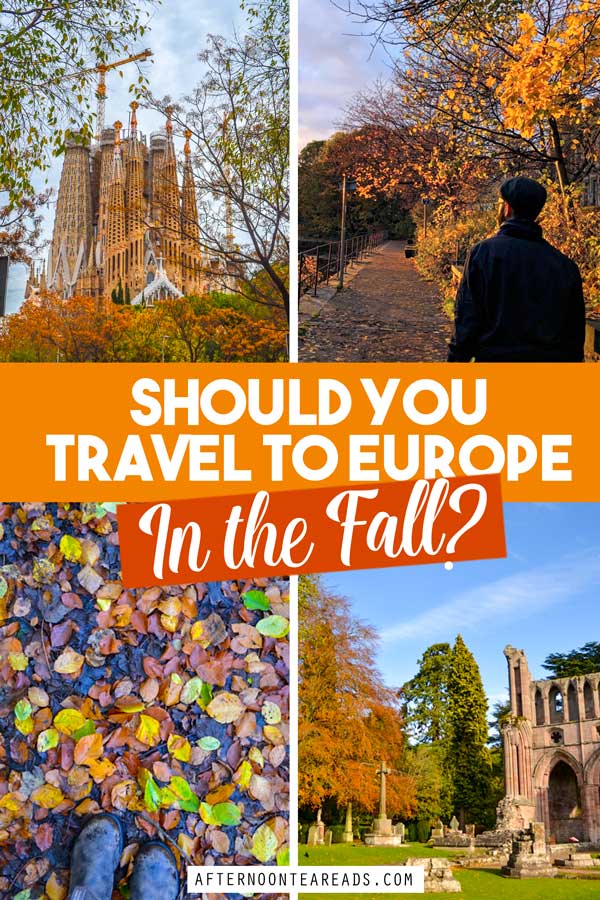
Fall Travel In Europe
Autumn in Europe is between September and November. This is low season travel throughout the year for many destination, including Europe.
As I mentioned, I lived in four different European countries throughout the fall season and discovered that low season travel comes with its’ own set of pros and cons:
| Pro | Con | |
| Fewer Tourists | not as crowded | can feel empty |
| Planning | less advanced planning | shorter working hours / attraction closures |
| Budget | save money | More expensive |
| Daylight | later sunrise | days are shorter |
| Weather | milder | colder (more unpredictable |
| Fall Leaves | Absolutely beautiful! | Hard to time (can be left with empty branches) |
| Packing | / | Need to pack more heavier, bulkier items |
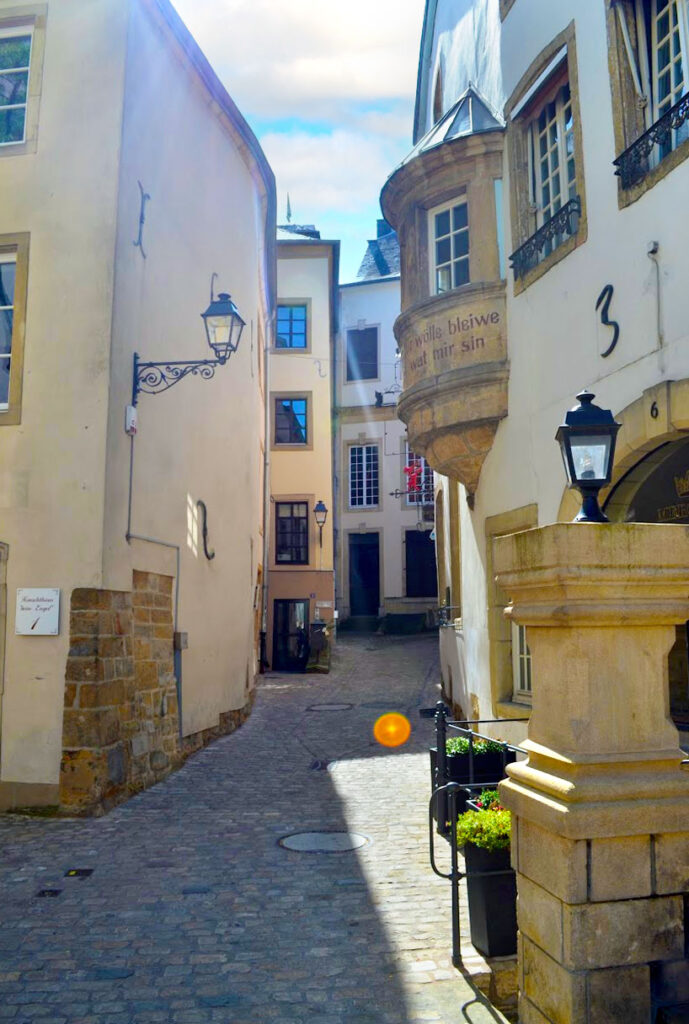
Fall Vacations Means Fewer Tourists: A Pro AND A Con!
There are far less people traveling in the fall, and Europe is no exception. Most people flat out can’t take time off outside of the summer months because of school, work, or both!
You would think that fewer tourists can only be a good thing when travelling to Europe, but after going on many fall vacations over the years, fewer tourists isn’t always a good thing…
The Pros Of Less People – Avoiding The Crowds In Europe!
During peak travel season, European cities and towns can become overcrowded making them a lot less enjoyable.
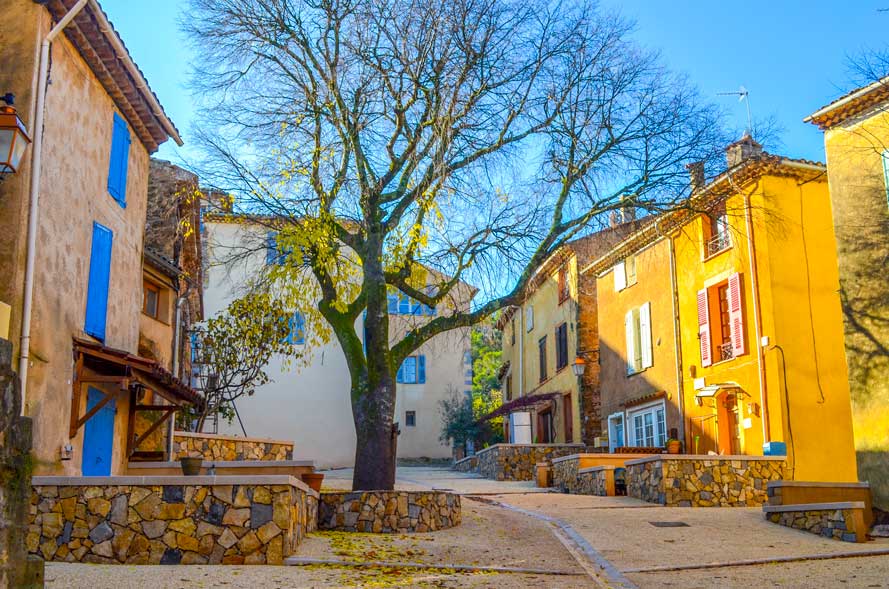
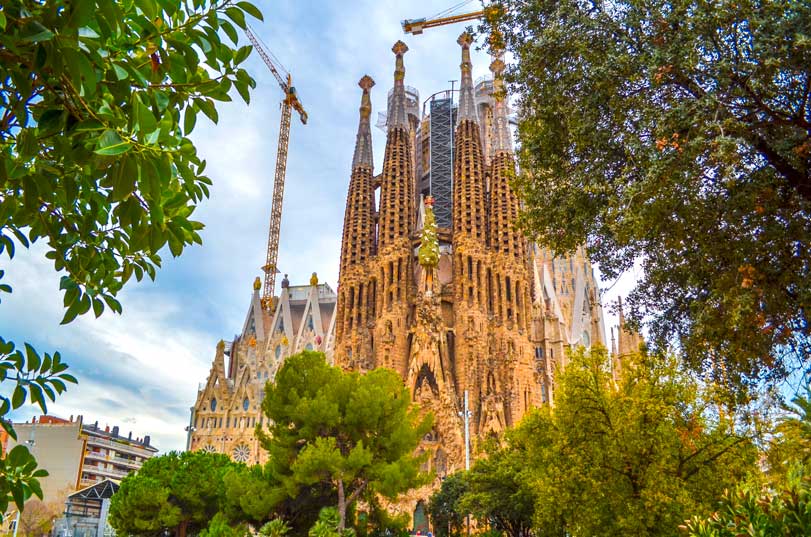
So during the fall, you can actually enjoy the small quaint streets of France and Italy. Not to mention, the attractions will have shorter lines and wait times. And you don’t have to stress about booking certain attractions several months in advance (like Barcelona’s Sagrada Familia).
And you won’t have as many people photobombing your travel photos.
You might be interested in: Is Travelling To The South of France In The Fall For You?
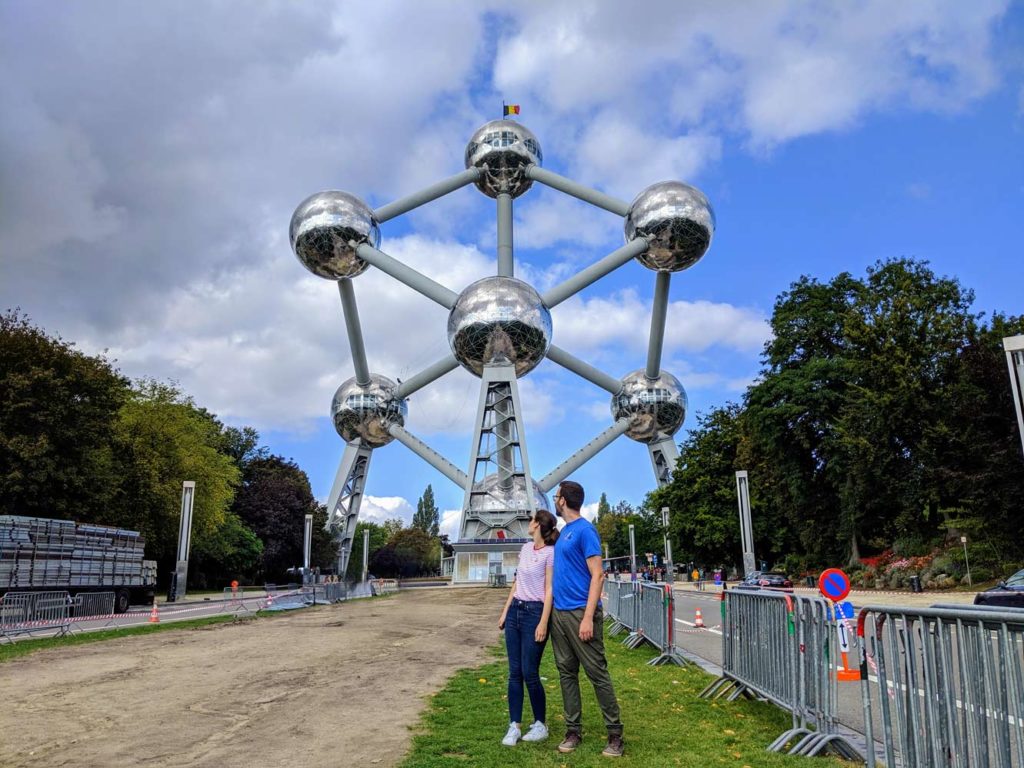
But There Is Such A Thing As Too Few Tourists!
Less tourists are a perk, but they can also be a drawback to fall travel in Europe, depending on where you’re going… Some places might be too empty… which can cause some problems.
If you’re visiting one of the bigger cities (London, Rome, Paris…), this shouldn’t be an issue, there are too many people in those cities to begin with! So in those cities, the fewer tourists are welcomed with open arms!
The problems arise when you’re visiting smaller towns around Europe. Too few people means that you might be the only ones there… Or even worse – there are limited opening hours, or seasonal closures (more on this issue in a bit!).
There just isn’t enough tourism in smaller towns across Europe in the fall to sustain being open during the off season.
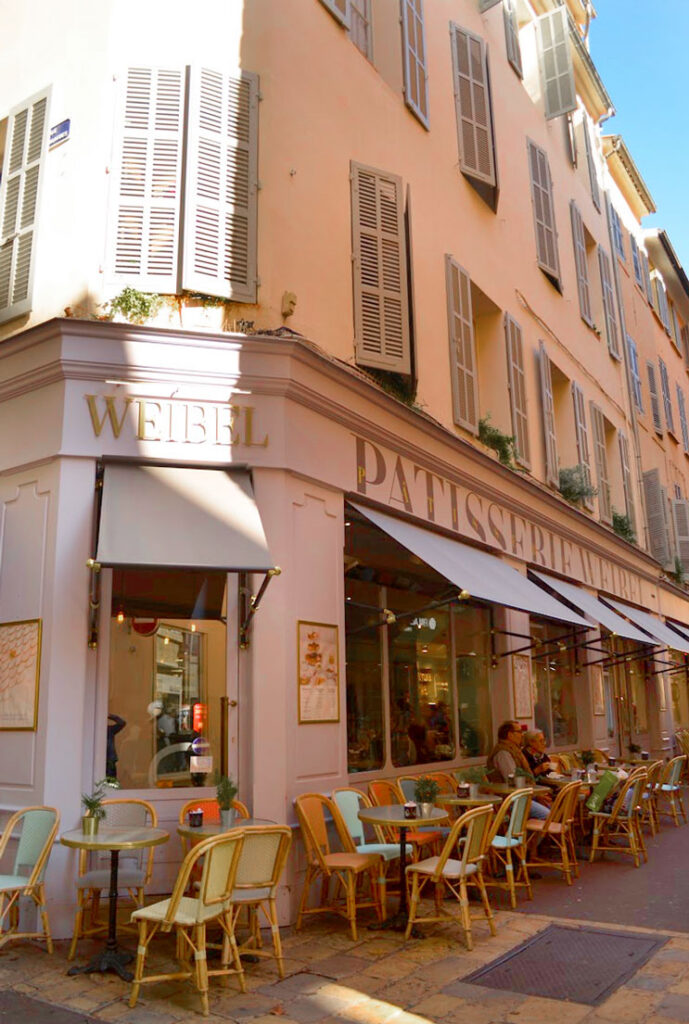
And if you think being the only people in a museum is great, you might want to think again… in Aix en Provence (in the South of France) we were quite often the only people in a museum and the security guard would follow us from room to room. We felt rushed and very uncomfortable…
And it doesn’t just stop at museums and attractions that can be awkward when you’re alone. Restaurants just feel dead without anyone else, if they’re even open at all!
When we drove around the Gorge de Verdun in the South of France there are several towns hidden in the mountains that we were planning on stopping in to pick up a bite to eat. We drove through one town after another just to find them all empty. All the restaurants and hotels were closed and there wasn’t a soul in sight!
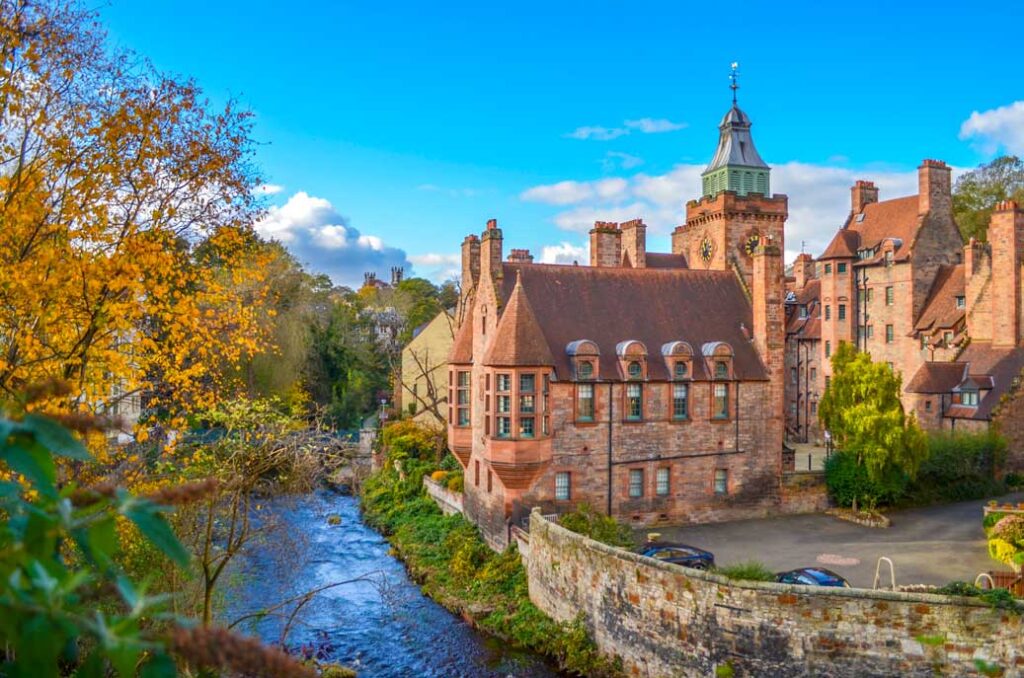
With so few people around, small cities will close for the season and only reopen in the Spring. I experienced this in both the South of France, and Scotland (a lot of castles closed at the end of October). P.S. See my guide to Edinburgh in the fall!
Pro Tip: If you want to visit Europe in the fall, I would double check any attraction you’re interested in to see if they’re open before you book anything!
Europe In The Fall Pro: Less Advance Booking Needed
There’s nothing worse than arriving at your destination and realizing you needed to book tickets for the main attraction two months in advance (which can happen a lot in Europe due to the high summer crowds!).
And let’s be real, booking tickets in advance is the worst! You don’t want to overly plan your days, because who knows where you’ll be and what the weather will be like!
So a nice perk of visiting European destinations in the fall is that there is way less advanced booking. You really don’t need to book any tickets in advance, or at least as much in advance as you would in the summer months. This removes a lot of stress from the travel planning stage
For example, I booked the Sagrada Familia a few days before (I lived in Barcelona from November to December), compared to my sister who visited in the summer and had to book it two months in advance! (Heads up, this isn’t the case for Anne Frank House in Amsterdam, that you still have to book in advance, but maybe only a month instead of two months!).
It also doesn’t end at attractions, we would also only book our trains a few days in advance (sometimes even the night before!). It was the same thing for renting cars and buying bus tickets!
Need help planning your next trip? Take advantage of my digital and printable travel planner, includes packing lists, accommodation research, budget and itinerary templates.
Fall Vacations Con: Shorter Opening Hours/ Closures
As I mentioned, another drawback to having fewer tourists is less opening hours (if it’s even open at all!). The opening hours changed quite a bit from summer to fall months. And it was never consistent either, so you have to be very vigilant on checking opening hours for everything in the fall.
An attraction could be open every day, but cut back on daily opening hours. Or an attraction could have the same daily opening hours, but they were actually closed for entire days during the week. And the worst-case scenario is that they might not even be open at all! This was primarily the case for outdoor attractions (that were weather dependant) or attractions in smaller towns across Europe.
Unfortunately, not every attraction updates their fall opening hours in advance. So it could be that at the time of booking your trip, the hours appear unchanged for the fall season. But when you actually arrive, they do in fact have different opening hours in the fall. And there’s always a chance that a business doesn’t update their hours at all!
So when you travel to Europe in the fall, you have to do a bit more research in preparation. Either call or e-mail the attraction in advance to find out their fall hours, or have backup options. You should always be prepared for the worst case scenario that the attraction says it will be open just for it to be closed when you arrive.
Pro: You’ll Most Likely Save Money On Fall Vacations
Obviously, you’ll be saving so much money if you travel in the fall because all the attractions are closed! Just joking!
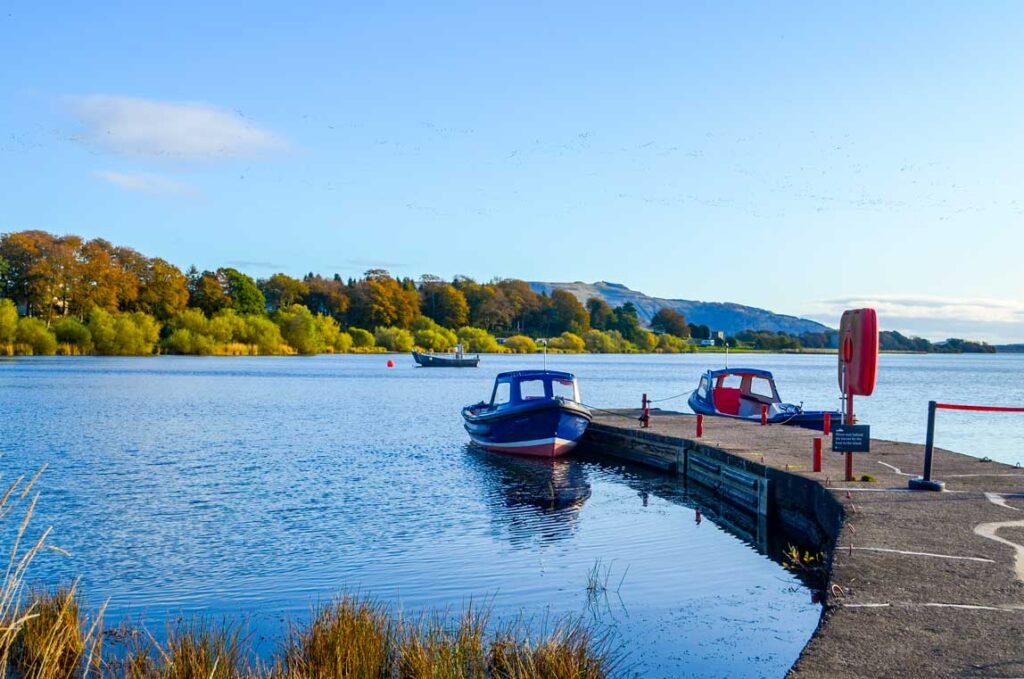
But you still save money just because you aren’t paying a premium for traveling in the summer. Flights and hotel will often have reduced rates during the fall. On top of that, certain tourist attractions will also have discounted prices during low season. Think of all the money savings!
Watch Out For Shorter Days During Fall Vacations In Europe
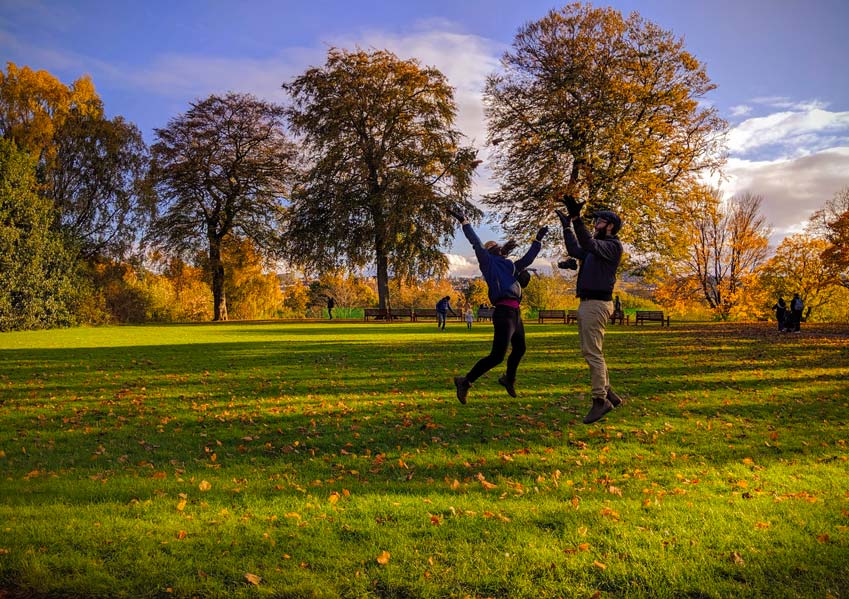
Days become a lot shorter during the fall months, and Europe is no exception to this. But what you might not realize is how much shorter days will impact your travel.
Summer has the longest days of the year, which adds a lot of extra hours to your touring time. There’s a lot more daylight that you can fill with touring and different activities. Attractions might even stay open later in the summer to accommodate the later sunset!
The fall, on the other hand, has way less daylight which means less time you can spend exploring before it gets dark. You don’t realize how much less you can see in a day because of how much earlier the sun sets.
This is especially an issue if you’re planning on driving in Europe in the fall. You have two options; drive back in the dark, or start driving back at 3:00 P.M. (and I don’t advise driving on foreign roads in the dark… they don’t often have street lights).
When I first started travelling in the fall, I had to cut so much from my original itineraries because there just wasn’t enough time in the day to do it all. And this really started to become an issue after you change the clocks in mid-October (which you should also be aware of the date when travelling to Europe in the fall!).
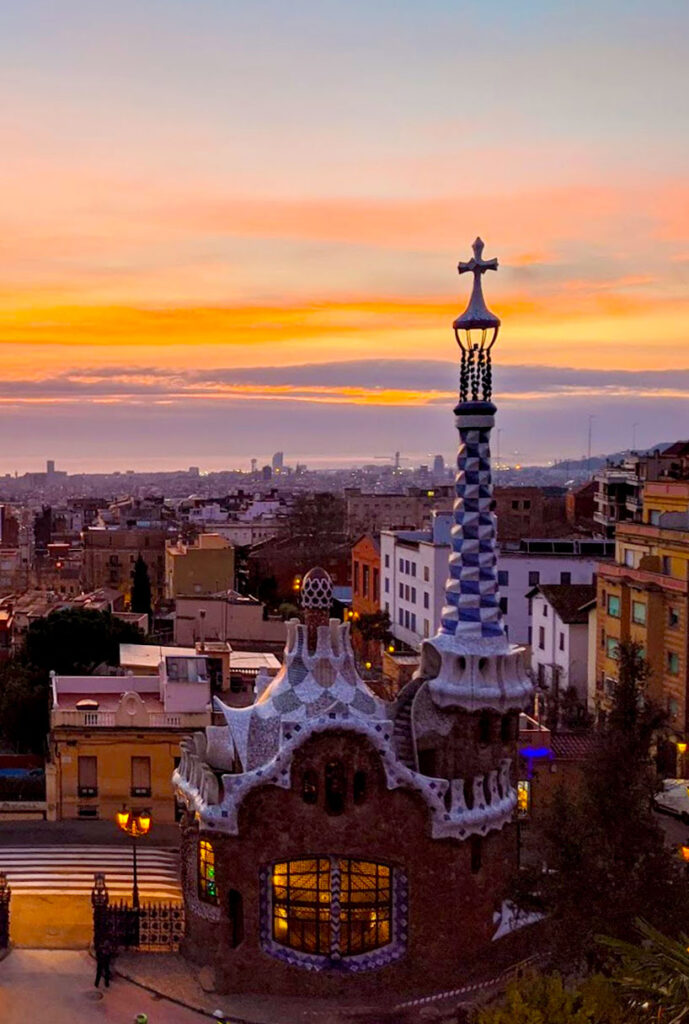
Pro Tip: A silver lining to the earlier sunset is the earlier sunrise. This can open up a few (beautiful) experiences that you would have otherwise had to wake up WAY too earlier for! For example, we went to see sunrise at Park Guell in Barcelona.
Pro (& Con): Much Milder Weather In The Fall
Depending on when and where you’re travelling to Europe in the fall, the weather might be a lot milder than during the summer months, which can be good or bad for you!
Con of Milder Weather
If you are expecting warmer weather to enjoy a beach vacation, then a fall trip is not for you. You might have some days when you can walk around in shorts (especially if you’re travelling in September). But some of the time you’ll want at least a light jacket.
There is also usually a higher chance of rain, and number of rainy days in the fall.
Pro of Milder Weather
I see the milder weather in the fall as a nice perk. Traveling in 30°C heat is A LOT. You can’t move as much in the heat, you’re sweating at nauseam, and constantly reapply sunscreen.
I experience between 10°C to 20°C travelling throughout Europe in the fall. So although it isn’t beach weather, it’s sure as hell is better for touring! It’s not too hot, and not too cold!
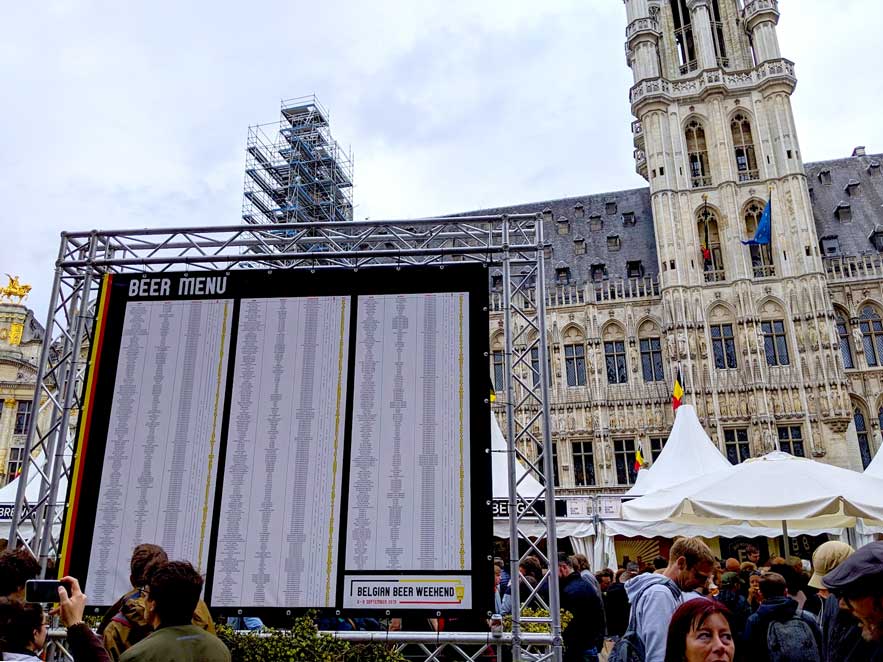
Read also: Belgium In September: Why It’s The Best Time To Visit
Pro & Con: The Leaves Change Colours
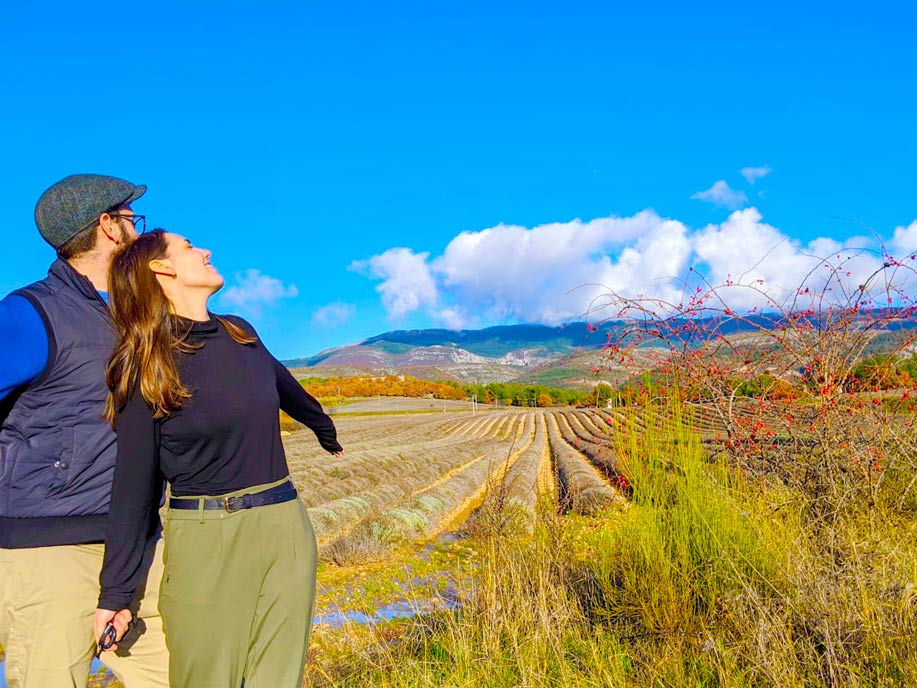
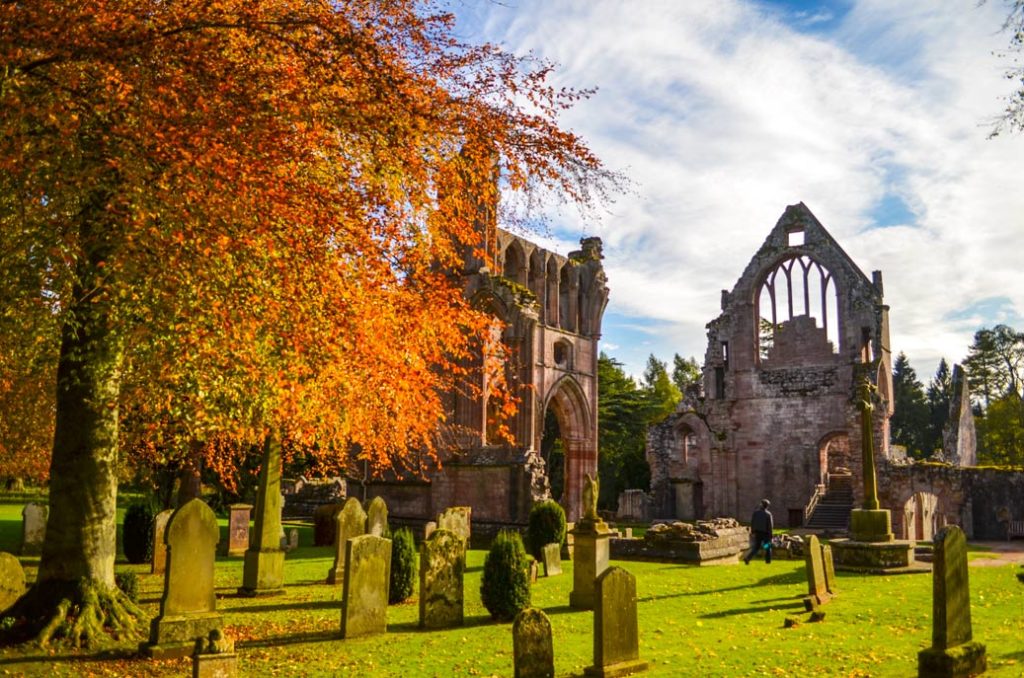
Depending on when you visit in the fall, you might catch the leaves changing colours or you might miss them entirely… and this is the trickiest part about timing your trip.
The vibrant orange, yellow, and red hues make for some pretty spectacular photo ops! But the timing as to be PERFECT!
If you visit Europe in the fall too early, the leaves might not have changed colours yet. And if you visit Europe in the fall too late, you risk that the leaves have already fallen and now you’re greeted with bare tree branches and muddy leaves, which is not a nice picture at all!
Con: Packing For Fall Travel Weather Is More Complicated
I won’t lie, packing for fall weather is complete chaos (make sure to use my packing guide to stay organized!)!
There are so many ‘just in case‘ items you have to pack because the weather is so much more unpredictable in the fall. From needing rain jackets, and thicker or thinner clothes to match the changing temperatures. The key is to pack in layers and thicker clothes, which takes a lot more space in your suitcase (so you might not be able to fit in a carry-on).
Fall travel also means wearing a jacket most days… which means you’ll look like you aren’t changing clothes and you don’t get to show off all your cute new travel outfits.
P.S. See how I manage to pack 2 weeks worth of clothes in a carry-on no matter the season. I even give examples of how I managed to pack in a carryon for a Spring trip to Ireland and London, and a fall trip to Belgium.

When Is The Ideal Time To Visit Europe In The Fall?
I went on a four-month trip to Europe from September to January and saw a huge shift in fall travel based on the month and the destination. It made me realize that September to mid-October is an ideal time to visit Europe in the fall.
September already sees a huge drop in tourists from the summer months, but there were still people around for it to feel lively. We were never alone in restaurants or museums like we found ourselves in some of the smaller cities after October.
There also wasn’t a big change in opening hours in September. We were still able to do everything we wanted with minimal advance planning. If the attractions did close, we noticed it was after October 31.
The weather from September to October was also beautiful. It was cooler than the summer months would have been, but I still only needed a light jacket some days. It was also only towards the end of October that the days became noticeably shorter.
November became a lot harder to do regular tourist attractions. It also became quite a bit chillier, having to wear a bit of a heavier jacket on most days.
Watch Out For High Peak Travel Dates In The Fall!
Don’t take low season fall travel for granted, depending on when and where you’re travelling, there can be a mini high seasons in the middle (and then there would be no point in visiting in the fall!). There are fall holidays and festivals that create a mini peak season.
For example, Germany celebrates Oktoberfest at the end of September. And Spain celebrates Les Festes de la Mercè in September as well… and the list goes on!
That’s why it’s also really important to research your desired dates in advance and location you’re interested in beforehand.
Read also: How To Plan Your Vacation In 9 Simple Steps
So What’s The Final Verdict: Does Europe Make Great Fall Vacations?
Whether you should travel to Europe in the fall is really a 50/50. You win some, and you lose some!
It all depends on where you’re interested in going (bigger cities vs. smaller towns), and what you’re doing. If you’re going to a lesser-known smaller city, you might find it kind of dead in the fall. The tourists bring liveliness.
But if you’re going somewhere that’s overpopulated with tourists in the summer (like Barcelona), it might be well worth waiting to travel in the fall.
If it were up to me, I’d only travel during low seasons. I would just double check in advance if there was anything I really wanted to visit to make sure it was open.
Buy the bundle & save: Get everything you need to be a travel pro with my Ultimate Digital Travel Package! It comes with a travel planner, daily travel journal, packing list, and even an Eye Spy game to stay entertained! Everything can be printed, or used digitally on the go! See the bundle on Etsy.
My Fall Travel Essentials On Amazon


Related Posts
- Is Travelling To The South of France In The Fall For You
- Why September Is The Best Time To Visit Belgium
- Edinburgh in October: The Ultimate Guide
Click Image To Share Or Save Post For Later
Last update on 2026-03-19 / Affiliate links / Images from Amazon Product Advertising API


I’ve only visited Europe in the summer so I would definitely want to check it out in a different season next time (and avoid the heat, ugh)! I appreciate that you list the pros and cons, makes it really helpful to decide whether to travel in fall or not!
Glad I could help 🙂 Travelling in a different season is so interesting and really changes your vacation.
I think Europe in the fall sounds amazing!! Fewer crowds, less money, milder weather…what’s not to like!? And you’re photos are just gorgeous…wish i could book a trip right now!
Right! Oh thanks! Me too, going a bit stir crazy 😛 Hopefully we’re able to book trips for the fall!
I have to admit, I’m a huge fan of European city breaks in fall! I love the fact that the destinations are less crowded and for me, it provides a nice break between summer and Christmas! I’ve definitely encountered some issues though that some attractions or restaurants are closed due to it being a quiet season. Despite some of the cons it is still my favourite season to travel! Thanks for the great guide!
I totally agree with you, I think the pros outweigh the cons. Crowds make me so nervous, I like being able to go at my own pace, plus the weather is usually beautiful (with the leaves changing and all :))
Europe looks so dreamy during Autumn. Would love to visit one day
If you’re there at the right time when the leaves are changing it’s like a dream!
This is a really great post! I never considered a lot of these things, and I was planning a fall Italy trip before COVID hit. Thanks for the great advice.
Thanks so much, I’m glad you enjoyed it and hopefully learned a bit to be more prepared for planning the perfect fall trip to Italy next year!